Event 13 — The Visit of the Magi
Scholars from a pagan empire read the night sky, cross a thousand miles of desert, and kneel before a toddler in Bethlehem — while the king in Jerusalem, holding the very Scriptures that point to Him, is terrified.
The nations come to worship; the insiders miss Him
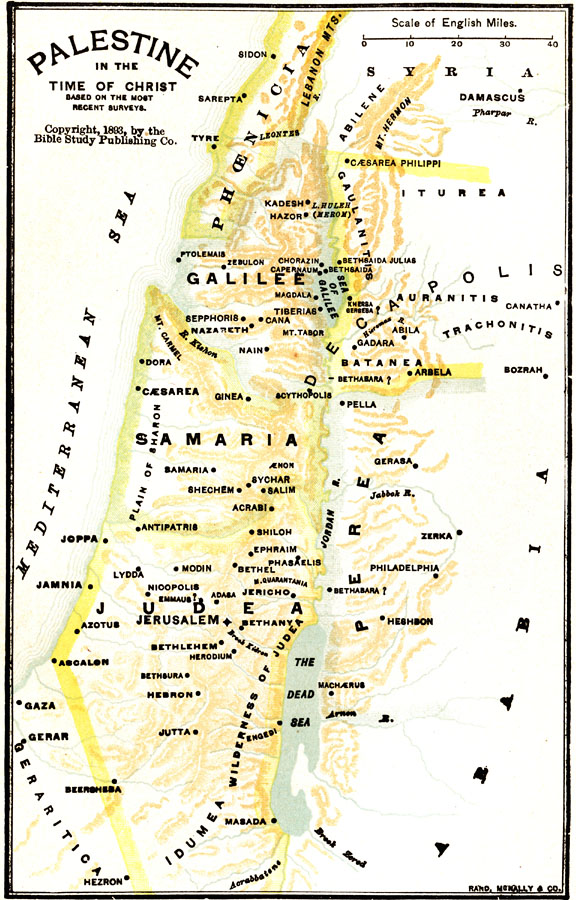
Matthew sets two responses side by side. From far to the east, Gentile scholars — outsiders with no covenant, no temple, only a sky and a hunger to find “the King of the Jews” — travel a vast distance and fall down in worship. Meanwhile in Jerusalem, King Herod is “troubled, and all Jerusalem with him,” and the chief priests can quote the exact verse naming Bethlehem but will not walk the six miles to look. The people who should have known are blind; the foreigners who shouldn’t have a clue come and worship. From His first days, this King is drawing the nations — and exposing hearts.
The text
Underlined words (like Magi) link down to their original-language card in Word secrets below.
1Now after Jesus was born in Bethlehem of Judea in the days of Herod the king, magi from the east arrived in Jerusalem, saying, 2“Where is He who has been born King of the Jews? For we saw His star in the east and have come to worship Him.”
3When Herod the king heard this, he was troubled, and all Jerusalem with him. 4Gathering together all the chief priests and scribes of the people, he inquired of them where the Messiah was to be born. 5They said to him, “In Bethlehem of Judea; for this is what has been written by the prophet: 6‘And you, Bethlehem, land of Judah, are by no means least among the leaders of Judah; for out of you shall come forth a Ruler who will shepherd My people Israel.’”
7Then Herod secretly called the magi and determined from them the exact time the star appeared. 8And he sent them to Bethlehem and said, “Go and search carefully for the Child; and when you have found Him, report to me, so that I too may come and worship Him.” 9After hearing the king, they went their way; and the star, which they had seen in the east, went on before them until it came and stood over the place where the Child was. 10When they saw the star, they rejoiced exceedingly with great joy.
11After coming into the house they saw the Child with Mary His mother; and they fell to the ground and worshiped Him. Then, opening their treasures, they presented to Him gifts of gold, frankincense, and myrrh. 12And having been warned by God in a dream not to return to Herod, the magi left for their own country by another way.
Matthew 2:1–12 (NASB95)📖 Read the whole passage
Read it on Bible Gateway (NASB 1995). Notice the timing clues: Herod asks “the exact time the star appeared” and later targets boys “two years old and under” (v.16), and the Magi find Jesus in a “house,” not the manger — so this visit likely came months, even a year or more, after the night of the birth.
What the original words mean
Five details that reshape the scene we think we know.
Not kings, and Matthew never says there were three. The Magi were a learned priestly class from Persia or Babylon, expert in the stars and in dreams. They were Gentiles — pagan foreigners — which is the whole point: the first worshipers Matthew records after the shepherds are outsiders from the nations.
↑ Back to the passageA loaded title. Herod held it by Rome’s appointment — so to ask for a newborn “King of the Jews” was, in Herod’s ears, to announce a rival. These same words will reappear at the end of Matthew, nailed above Jesus on the cross. The Magi name His office without knowing how it will be fulfilled.
↑ Back to the passageLong before, the pagan prophet Balaam had foreseen “a star shall come forth from Jacob” (Numbers 24:17). The Magi, watchers of the heavens, see a sign and read it rightly: a King has been born in Judah. God meets seekers where they are — even in the night sky — and leads them to His Son.
↑ Back to the passageThe word pictures throwing oneself to the ground before a king or a god. These dignified scholars travel a thousand miles and then lie flat in the dirt before a peasant child. Matthew, writing for Jewish readers, is making a quiet, stunning claim about who this Child is.
↑ Back to the passageCostly gifts fit for royalty — and, the church has long noticed, quietly telling His story. Gold for a king; frankincense, the incense of worship, for one who is divine; and myrrh, used to anoint the dead, hinting at the suffering and burial to come. Joy and shadow in the same treasure chest.
↑ Back to the passageA thousand miles to Bethlehem
“From the east” points to Persia or Babylon — a journey of well over 800 miles to Jerusalem, then six more south to Bethlehem. Such a trek took months and serious resources.
🏺 Who the Magi were — and why they were watching
The Magi belonged to a respected scholarly caste in the Persian and Babylonian world — advisers to kings, skilled in astronomy, mathematics, and the reading of dreams and omens. Centuries earlier, Daniel had served (and outshone) exactly such “wise men” in Babylon (Daniel 2), and a large Jewish community had lived in the East since the exile. It is entirely plausible that Israel’s ancient hope of a coming King had filtered into their learning. When a striking sign appeared in the heavens, these watchers connected it to that hope and set out. Matthew’s first readers would feel the irony hard: the pagan stargazers got there, and Jerusalem’s court did not.
📜 Herod the Great: why “all Jerusalem” was afraid
Herod was a brutal, brilliant, and deeply paranoid client-king installed by Rome. The Jewish historian Josephus records that he murdered a wife, three of his own sons, and many others he suspected of threatening his throne — the emperor Augustus reportedly quipped it was safer to be Herod’s pig than his son. So when word spread that a true “King of the Jews” had been born, the city didn’t rejoice; it braced for violence. That dread is the backdrop for the dark events of the next lesson.
A thinking tool: inversion
The ones with the map stay home; the ones without it come and kneel
“Invert, always invert.” To feel Matthew’s point, line up who should have welcomed the Messiah against who actually did. Knowledge of the Scriptures, by itself, moved no one in Jerusalem an inch.
Matthew is signaling, before chapter two is over, that this King will not be claimed by birthright or expertise but received by those who actually seek and bow — and that the good news is for the nations. Knowing where the Messiah is means nothing if you won’t go to Him.
How it ties to the rest of Scripture
| Passage | Connection |
|---|---|
| Micah 5:2 | The prophecy the scribes quote — the Ruler and Shepherd to come from Bethlehem. |
| Numbers 24:17 | “A star shall come forth from Jacob” — spoken by a pagan seer, fulfilled for these pagan seers. |
| Isaiah 60:3–6 | Nations coming to the light, bringing “gold and frankincense” — the Gentiles streaming to the King. |
| Psalm 72:10–11 | “All kings will bow down before him” — the homage of distant peoples to God’s King. |
Resources to explore
Play the video here, then dig into the text and its background.
🎬 Watch & listen
- Video: BibleProject — Matthew 1–13Overview with study notes and downloads.
- Podcast: An Intro to Reading the GospelsHow the Gospels present Jesus as a real figure in history.
📖 Study tools
- Matthew 2:11 interlinear + Strong’sSee “worshiped” and the three gifts in the Greek.
- Full passage (Matthew 2:1–12, NASB95)Read the whole text on Bible Gateway.
🔗 Cross-reading
- Isaiah 60:1–6Nations and kings coming to the light with gold and frankincense.
- Numbers 24:15–19Balaam’s star out of Jacob.
Discussion questions
- Matthew opens the Messiah’s story by bringing pagan foreigners to worship. To his Jewish readers, what would it have meant that the Gentiles came first while Jerusalem’s court recoiled?
- The chief priests knew exactly where the Messiah would be born — and did nothing. What is Matthew teaching about the difference between knowing Scripture and responding to it?
- The gifts traditionally point to a king (gold), God (frankincense), and a death to come (myrrh). How does it change the scene to see the shadow of the cross already in the gift chest?
- God led the Magi by a star — meeting pagan stargazers inside their own world of learning. What does that tell us about how God draws seekers?
- Only after all that does the question reach us: the Magi traveled a thousand miles and bowed. What is the difference between being curious about Jesus and actually coming to worship Him?